If your answer to these 5 questions was "Yes", then you're ready to get started from your own home!
Since we've already talked about almost every other type of hair removal method, I figured we'd start talking about the actual reason you came to my blog. Here I am going to explain exactly how to use one of these "do it yourself laser hair removal" machines.
Before I break down exactly how these items work, I want to explain a couple product features that you will enjoy when using these high tech devices.
See results in 90 days; in 6-8 months, you're done
FDA-cleared safe and effective
Get baby soft skin-like the hair was never there
Get the same results as professional laser hair removal and save thousands of dollars
Here's how it works: Take a look and be amazed!!
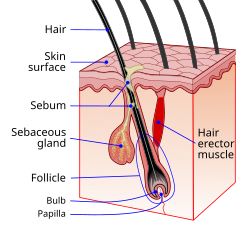
The TRIA Laser removes unwanted hair through selective photothermolysis. During this process, laser light is absorbed by the black and brown melanin pigment in hair. This results in heat, which disables the follicles, preventing them from growing new hair.
We recommend bi-weekly treatments for at least 6 months (12 treatments) based on the average time it takes for the majority of hair follicles to move through an entire growth cycle.
During any one treatment cycle, some hair follicles are dormant and cannot be seen (a kind of sleep state) while some will grow and be visible. Not every hair can be treated at the same time. To benefit from laser treatment, the hair must be present during treatment (not in the dormant stage).
Once the hair follicle is treated and disabled, it continues to work to eject the hair that was under the surface of the skin. This process takes up to 2 weeks to complete, during which time it will appear as if the hair is still growing . This is actually the treated hair being "pushed out" of the follicle.
Waxing is a method of semi-permanent hair removal which removes the hair from the root. New hair will not grow back in the previously waxed area for two to eight weeks, although some people will start to see regrowth in only a week. Almost any area of the body can be waxed, including eyebrows,face, bikini area, legs, arms, back, abdomen and feet. There are many types of waxing suitable for removing unwanted hair.
Waxing is accomplished by spreading a wax combination thinly over the skin. A cloth or paper strip is then pressed on the top and ripped off with a quick movement against the direction of hair growth. This removes the wax along with the hair.
Another method utilizes hard wax (as opposed to strip wax). In this case, the wax is applied somewhat thickly and with no cloth or paper strips. The wax then hardens when it cools, thus allowing the easy removal by a therapist without the aid of cloths. This waxing method is very beneficial to people who have sensitive skin.
Types of Waxing
Various types of waxing are available. Some must be performed by a licensed cosmetologist or esthetician. The different types of waxing that can be performed are:
Eyebrow waxing
Chin waxing
Leg waxing
Arm/underarm waxing
Back waxing
Foot waxing
Chest waxing
Entire body wax
Bikini wax
Upper Lip
Most parts of the body can be waxed, including nose and ear hair, but other parts, not listed above are not given special consideration. Areas individuals should never wax includeeyelashes and eyelids. These areas are of particular concern due to sensitive skin that can be severely damaged if waxed.
Before and after TIPS
Before
Make sure that the area which you intend to wax does not have any wounds, skin rashes, acne
Do not shave the desired spot before waxing. Your hair should be at least 1/4″ long, any hairs shorter than that will not get pulled out.
Trimming down the longer hairs makes the treatment much less painful
After
Apply oil immediately after the treatment and use it to get rid of the remaining wax. The next step is to put some talcum powder in order to prevent skin wetting.
Never moisture the treated area as this can lead to skin infections or irritations. Wait at least 12 hours before taking a shower.
The use of an after wax cream some 60 minutes after the procedure helps soothe the skin down
I know this stuff looks like marijuana but it could possibly work to get rid of your unwanted hair.
1. Origin
2. How it works
3. How to make it
1.Turmeric grows wild in the forests of Southeast Asia. It has become the key ingredient for many Indian, Persian and Thaidishes such as in curry and many more.
In Indonesia, the turmeric leaves are used for Minangese or Padangese curry base of Sumatra, such as rendang, sate padang and many other varieties.
Although most usage of turmeric is in the form of root powder, in some regions (especially in Maharashtra), leaves of turmeric are used to wrap and cook food. This usually takes place in areas where turmeric is grown locally, since the leaves used are freshly picked. This imparts a distinct flavor.
In recipes outside South Asia, turmeric is sometimes used as an agent to impart a rich, custard-like yellow color. It is used in canned beverages and baked products, dairy products, ice cream, yogurt, yellow cakes, orange juice, biscuits, popcorncolor, sweets, cake icings, cereals, sauces, gelatins, etc.It is a significant ingredient in most commercial curry powders. Turmeric is mostly used in savory dishes, as well as some sweet dishes, such as the cake sfouf.
Although usually used in its dried, powdered form, turmeric is also used fresh, much like ginger. It has numerous uses in Far Eastern recipes, such as fresh turmeric pickle, which contains large chunks of soft turmeric.
Turmeric (coded as E100 when used as a food additive) is used to protect food products from sunlight. The oleoresin is used for oil-containing products. The curcumin/polysorbate solution or curcumin powder dissolved in alcohol is used for water-containing products. Over-coloring, such as in pickles, relishes, and mustard, is sometimes used to compensate for fading.
In combination with annatto (E160b), turmeric has been used to color cheeses, yogurt, dry mixes, salad dressings, winter butter and margarine. Turmeric is also used to give a yellow color to some prepared mustards, canned chicken broths and other foods (often as a much cheaper replacement for saffron).
Turmeric powder
is used extensively in
South Asian cuisine.
Turmeric is widely used as a spice in South Asian and Middle Eastern cooking. Many Persian dishes use turmeric as a starter ingredient for almost all Iranian fry ups (which typically consist of oil, onions and turmeric followed by any other ingredients that are to be included). In Nepal, turmeric is widely grown and is extensively used in almost every vegetable and meat dish in the country for its color, as well as for its medicinal value. In South Africa, turmeric is traditionally used to give boiled white rice a golden color.
In Goa and Dakshina Kannada (Karnataka state, India), turmeric plant leaf is used to prepare special sweet dishes, patoleo, by layering on the leaf — rice flour, and coconut-jaggery mixture, and then closing and steaming in a special copper steamer (goa).
2.Cosmetics
Turmeric paste is traditionally used by Indian women to keep them free of superfluous hair and as an antimicrobial. Turmeric paste, as part of both home remedies and Ayurveda, is also said to improve the skin and is touted as an anti-aging agent. Turmeric figures prominently in the bridal beautification ceremonies of India, Bangladesh, and Pakistan. Staining oneself with turmeric is believed to improve the skin tone and tan. Turmeric is currently used in the formulation of some sunscreens.
The government of Thailand is funding a project to extract and isolate tetrahydrocurcuminoids (THC) from turmeric. THCs are colorless compounds that might have antioxidant and skin-lightening properties, and might be used to treat skin inflammations, making these compounds useful in cosmetics formulations.
3.Home Remedies
Indian homes have numerous beauty recipes that include turmeric. These recipes not only prevent excessive hair growth but also lighten and exfoliate the skin.
Remove unwanted hair from face, arms and legs by applying a paste of 1 tbsp. of black gram flour with 1 tsp. of yogurt and a pinch or turmeric powder, recommends Hair-n-skin-care.com. Evenly apply to face, relax and allow it to dry. Once completely dried, gently scrub the paste off. Turmeric removes hair, sanitizes the face and adds glow. Apply baby or almond oil to soothe skin.
Gram flour is a natural cleanser and scrub, says Yogawiz.com. Using gram flour alone or with turmeric reduces hairgrowth.
Many mix turmeric powder with milk and add directly to face, arms and legs. A paste of raw turmeric along with rock salt also acts as hair inhibitor. Hairremoval.in recommends using 1/4 tsp. of turmeric powder mixed with the same amount of papaya powder, gram flour, 2 tsp. of mustard oil along with a couple of drops of essential oils, as a recipe to remove unwanted hair.
Before I started my blog I was very serious about using the Tria Laser Hair Removal System and I even went to the extent to order one for myself. I made the mistake of ordering the product off of eBay therefore I ended up with a counterfeit item. My Tria went out after about two uses so I was never able to truly experience the program for myself.
The TRIA Laser Hair Removal System provides you with an at-home
option for laser hair removal. It’s designed to work with medium to dark
hair on fair to medium skin tones. There is a built-in skin sensor that
will help you determine if this product is suitable for your skin tone.
If it is, the device will unlock automatically and you’ll be able to
use it.
The TRIA Laser Hair Removal System claims to “free you from a
lifetime of shaving, waxing, ingrown hairs and razor burn”. Whether it
lives up to these claims or not is debatable. Some people love this
product and others feel like it simply does not live up to the claims.
You can read our summary of the reviews below for a little more
information.
A method of epilation that is similar to waxing, and, for that reason, is "often called sugar waxing or Persian waxing.
It has been in use since 1900 BC, "when a hairless and smooth body was considered the standard of youth, beauty and innocence for women in Egypt."
Sugaring can be less painful than waxing, because the substrate sticks to the hair without attaching to the skin, may be applied at room temperature or heated to a lukewarm temperature, preventing burning. Nevertheless, there is some risk of skin irritation, sensitivity, and reaction. The Simply Hair Removal website advises, "Of course it hurts to pull out hair however you do it, but many find sugaring less painful than waxing.
Advantages:
Can be done at home both the procedure and the paste/gel
Very easy to clean up the treated area as all ingredients are water solube
Disadvantages:
Not available in every beauty studio
Substrate-
Sugaring paste can be prepared with common household food items, such as water, sugar and lemon juice, and cornstarch, honey or molasses. Getting the consistency correct takes some practice for most users. Pre-made sugar paste is also sold under many brand names, and both professional and retail versions are available. It may contain guar gum in addition to the other ingredients. Since the sugar solution is water-based and water-soluble, sugaring is easily cleaned up with warm water.
Some salons state that sugaring is preferable to waxing, because the former has no resins, except for guar.
Standard recipe-
The most common recipe for sugaring wax is as follows (units by volume):
1 unit of sugar
1/8 unit of vinegar, or lemon/lime/orange juice (either fresh or from a bottle, not from concentrate)
1/8 unit of water
The ingredients need to be heated and mixed until they are completely liquid, after this the liquid will change from seemingly white to a light gold-like color (while being heated). Do not let it get too dark. You can control the darkness and hardness by heating to specific degrees. Use a candy thermometer. For a thick paste, heat it to 245 degrees F. If you want a gel, for spreading with a spatula and removing with cloth, then heat it to 250 degrees F.
When finished, the liquid needs to cool to room temperature.
Now the mixture is ready to be used for either cotton waxing (gel) or the ball-method (paste). You can store it in a cupboard. If you use a microwavable container, you can heat it in the microwave using 10 to 15 second intervals.
In sugaring, either a "heated sugar mixture" can be covered with a strip of fabric, or spread directly on the skin.
With the strip method, the area to be epilated is typically dusted with powder (commercial or corn starch) prior to application of the sugaring solution, which is spread on with a spatula, tongue depressor, or by hand. After the sticky paste is applied to the skin in the same direction of hair growth, a strip of porous cloth or paper is pressed into the preparation, and "lifted" or "zipped off" in the opposite direction of hair growth, taking hairs with it.
While I was sitting here looking over information about laser hair removal I read about something I had never even heard before. If you are anything like me, you've only heard about hair removal by way of laser but have you ever heard of something called "electrology"?
For over 130 years, electrology has been and remains the only 100% permanent hair removal method recognized by government regulatory agencies such as the FDA. This technique permanently destroys germ cells responsible for hair growth by way of insertion of a fine probe in the hair follicle and the application of a current adjusted to each hair type and treatment area.
Here are other types of less effective ways to get rid of your hair:
Each time I start to post a new blog, a new idea comes to my mind. The topic of the day is threading. My fiance goes to school at Paul Mitchell and she was talking to me about threading a couple weeks ago, so I decided to let yall know about this. So here goes.
Technique: Professionals use a pure, thin, twisted cotton thread which is rolled over untidy hairlines, mustaches and other areas of unwanted hair, plucking the hair at the follicle level. Unlike tweezing, where single hairs are pulled out one at a time, threading can remove an entire row of hair, resulting in a straighter line. Since a larger area of hair is removed at once, it can be relatively painful.
Origin of Threading: Threading has long been popular in many Arab countries, and was well known from Indian and Persian culture, where it is known as Bande Abru ("Abru" means eyebrow, and "Band" is the thread). Threading the entire face is widely practiced amongst Iranians, but it was originally only done when a woman was getting married or for special occasions. In ancient Persia, threading was a sign that a girl had reached adulthood and become a woman.
Pros:
No harmful lasers
Cleaner, straighter, and longer edges
Less expensive then using professional methods
Cons:
Painful ( like every other method besides laser)
There aren't many salons that will offer this method
This testimonial deals exactly with the main theme of my blog. I currently work at an office in Orem, Utah and one of my co-workers gave me the idea for this blog.
As we were sitting in our training class we somehow wandered on to the topic of laser hair removal. My co-worker Karen started talking about her personal experience with laser hair removal. She has a close friend that was starting a laser salon here in Utah and one of the perks to that was that she was going to be able to get free treatments. As Karen was finishing up her second treatment her friend told her that she was going to be putting the business on hold because she was scheduled to have her baby within the next two weeks. Generally to get rid of the hair completely, a minimum of seven sessions is recommended. She explained that she basically wasted her time by not going to all of the sessions. If you are going to start using laser hair removal to get rid of that gross body hair, I would recommend that you go to all of your sessions because otherwise, you're not going to benefit at all.
Here are some parameters that should be included when considering laser hair removal for you or a loved one:
Area of body treated
Skin color
Coarseness of hair
Reason for hirsutism
Gender
Coarse dark hair on light skin is easiest to treat. Hair on darker skin is harder to treat. Certain areas (notably men's faces) may require considerably more treatments to achieve desired results. The main reason multiple sessions are needed is that hair grows in several phases (anagen, telogen, catagen) and a laser can only affect the currently active growing hair follicles (anagen), so several sessions are needed to kill hair in all phases of growth. This problem is countered by spacing appointments sufficiently so that inactive follicles will start to grow again. Laser does not work well on light-colored hair, red hair, grey hair, white hair, as well as fine hair of any color, such as vellus. For darker skin patients with black hair, the long-pulsed Nd: YAG laserwith a cooling tip can be safe and effective when used by an experienced practitioner, or else the newer diode based laser systems such as the Soprano XL Blue laser have also been shown to be effective and safe on darker skin types.
In my next blog I will be explaining the details on the different phases of hair growth. Come check it out!!
I have been thinking a little bit about what else I can include in my blog because I want to slowly build up until I can get into the real "dirt" about laser hair removal. These first couple of blogs might be a little off topic just because I'd like to discuss the different options that each of us have when it comes to hair removal. Like you read in my last blog I talked a little bit about the Epilator. After I posted the blog I started talking to people about it and 9 out of 10 people I talked to had no idea what an Epilator was. I am going to spend a little time talking to other people so I can add some personal experiences to my blog but for today I'd just like to talk briefly about why you would consider hair removal.
Here are a couple quick questions for you:
Do you really like having body hair?
Do you like that your spouse has body hair?
Is it gross when your hair starts falling out?
Does it really help swimmers and athletes?
Does your tan stay longer w/o body hair
What do people say about your hairy arms?
Here are the answers: (these answers are from random strangers on the street)
"I guess I've never really thought to much about it. Now that I start thinking about it, there have been several times in the last couple years that I have considered it." -Amy
"That's crazy that you'd ask me that because just this weekend my wife and I were talking about it and after 15 years of marriage she is sick of my hairy body and told me that she is going to get me an appointment to get ALL of my body hair removed." -Kyle
"It hasn't started happening to me but I do have a neighbor that looks horrid because for some reason she has started losing her arm hair and actually has giant bald spots on her arms." -Gwen
"My son is on the swim team and I've always asked him why he shaves his whole body and he continually tells me "Dad it cuts four seconds of my 1500 meter swim and that'll be enough to beat the state record this year", I personally wouldn't shave off all my hair but if it helps, why not?" -Charles K.
(this one was hard to get because there aren't to many people wandering the street that meet this criteria) "Before I got laser hair removal I went tanning at least twice a week but since I finished my sessions I generally go about once every two weeks and I notice that my tan stays dark longer." -Stacy
(I can personally answer this one based on my comments towards girls with hairy arms in high school) "Dude, I guarantee we could find some wild animals in that girls arm hair." Don't let this be you!!!
Now, I am pleased to say that about 25% of all Americans consider Laser Hair Removal so don't hesitate to just check it out!!
Here's the video of the day: (it's hilarious and has nothing to do with Laser Hair Removal)


 Turmeric- The Herbal Solution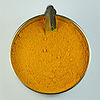
_W_IMG_2440.jpg/190px-Curcuma_longa_(Haldi)_W_IMG_2440.jpg)


 Advantages:

 Threading
